Latmos, A Sacred Mountain near Bafa Lake

The Latmos Mountain Range (Turkish: Beşparmak) borders the eastern shores of Lake Bafa in western Türkiye and represents one of the most impressive landscapes and archaeological riches on the Aegean coast.
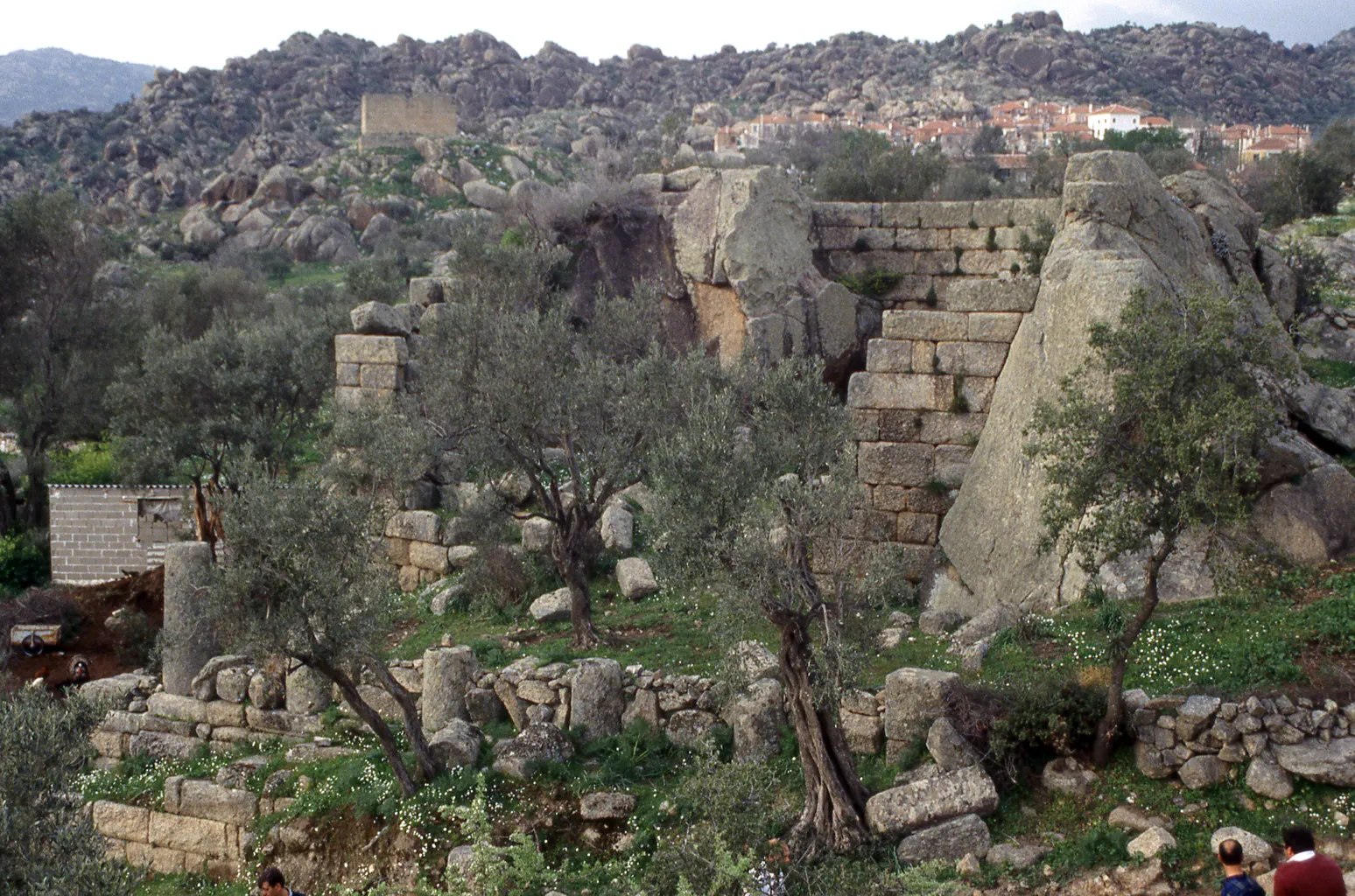
Since prehistoric times, Latmos has been a sacred mountain in Anatolia. The ancient Anatolian rain and weather god and a local mountain god were worshipped on its summit. The prehistoric weather god was later replaced by the Hittite god Tarhunt and then by the god Zeus of Classical Greece. The local mountain god continued to live as Endymion, the young shepherd and hunter in Greek mythology and the lover of the moon goddess, Selene. The last settlement comprised Christians, who had left ruins and churches from their period.
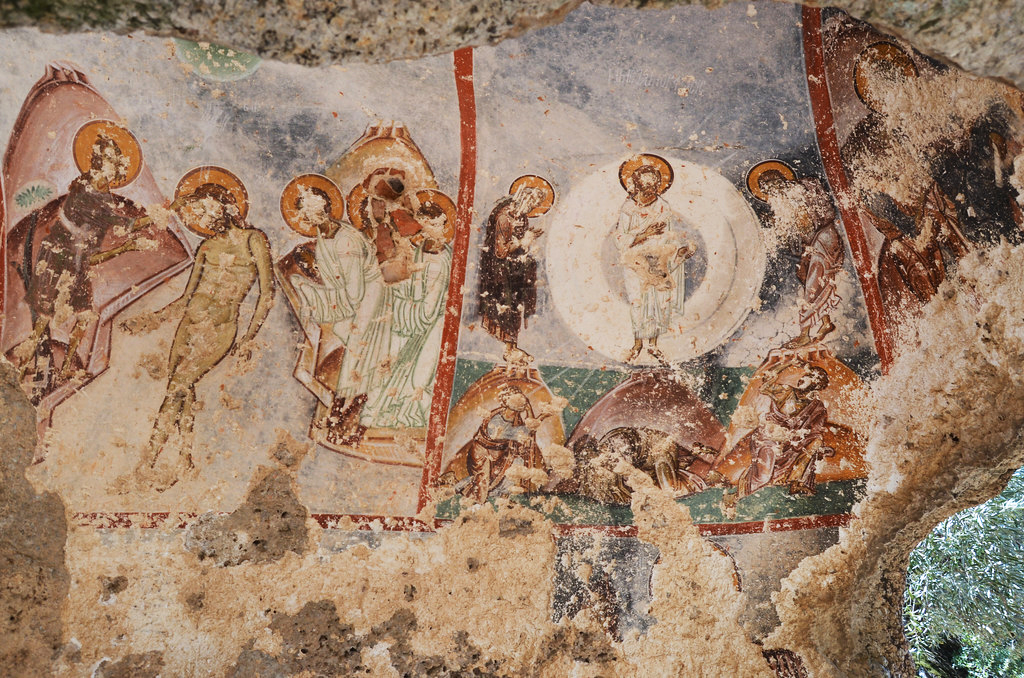
Hristiyanlık döneminden kilise duvarları
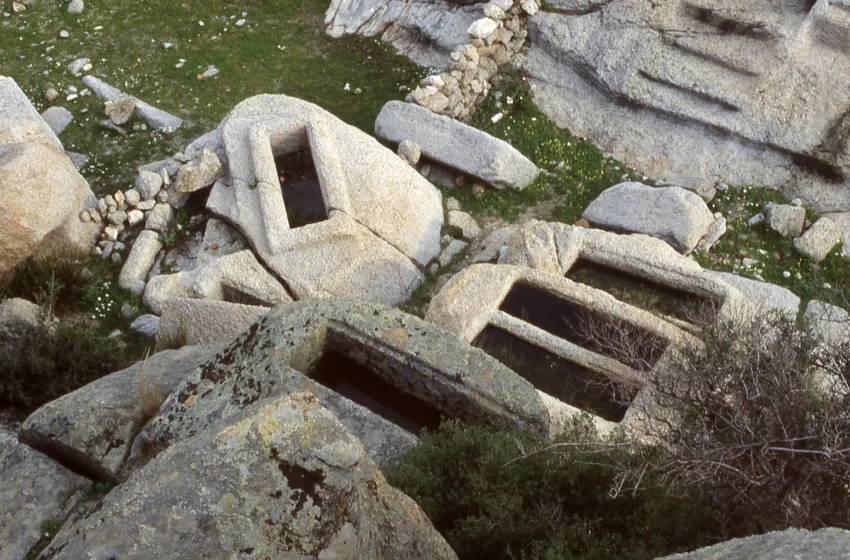
Kaya Mezarları
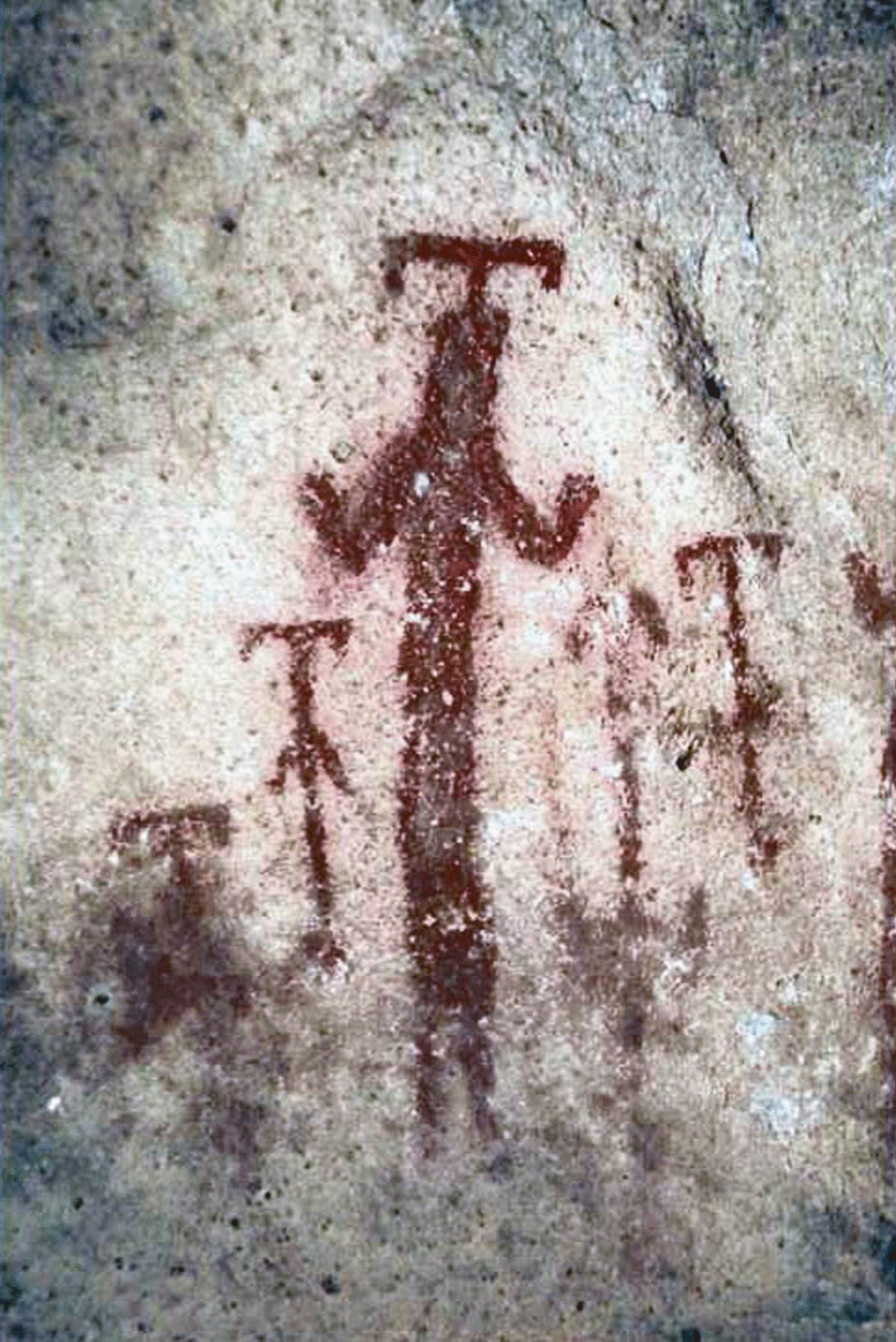
Kaya Resimleri Detay
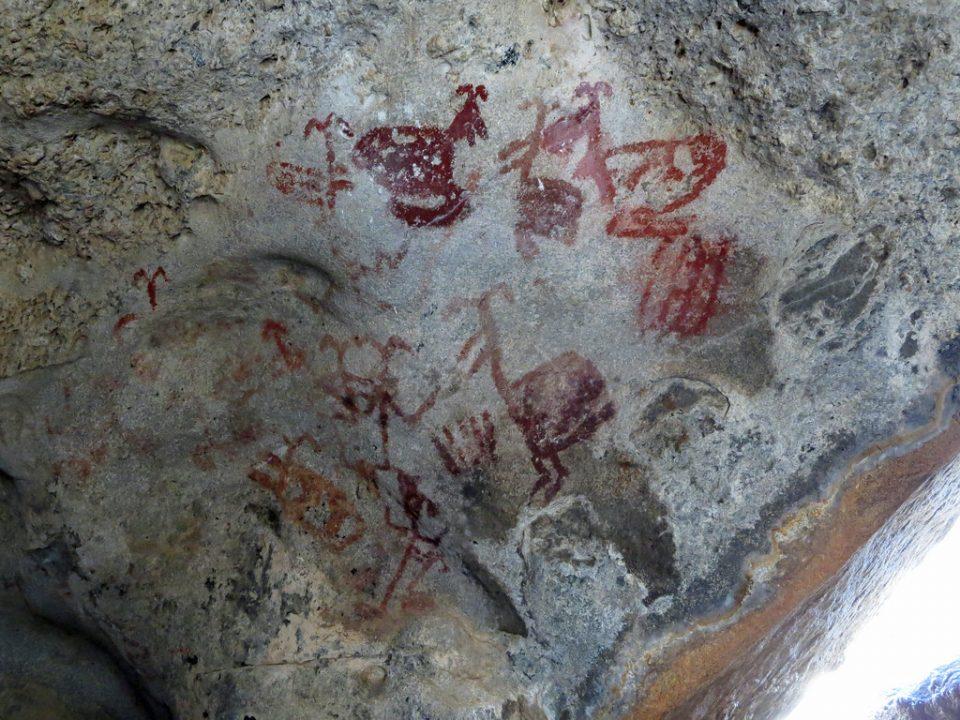
Latmos Dağı Kaya Resimleri
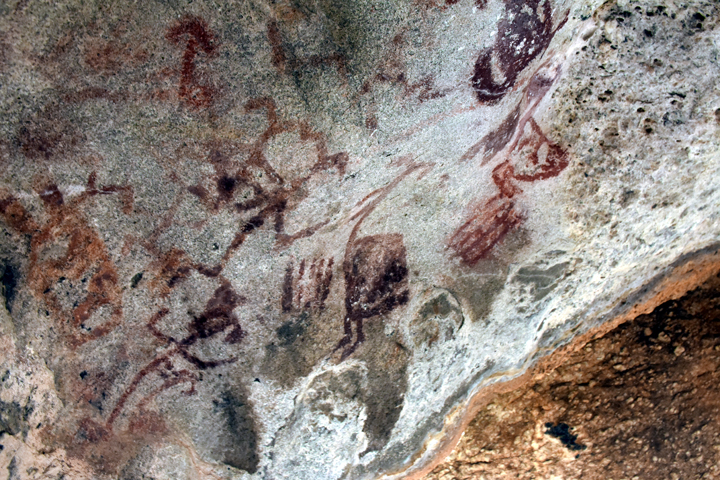
Latmos Dağı Kaya Resimleri
Latmos is part of the Menderes Massif, one of the oldest massifs in Anatolia. Structurally, it contains highly metamorphic and probably pre-Cambrian rock, granite, gneiss (easily broken and fragmented), and augen gneiss. The eroded appearance of the augen gneiss, so typical of subtropical, variable humid climates, is particularly evident in Latmos and has given the Latmos mountains extraordinary formations resembling the forms of domestic and wild animals, monsters, demons, and human faces. Altogether, they have transformed the mountainous landscape into a “Geo-Park”
Latmos Kaya Resimleri
The cultural heritage of the Latmos mountains looks back to a long history, from the Neolithic period to The Ottoman Empire. The 6th/5th millennium BC depictions painted on rocks are a legacy of the early periods. They are among the critical discoveries in prehistoric archaeology in Anatolia in recent decades.
During the surface surveys carried out by German archaeologist Prof. Dr. Anneliese Peschow Bindokat in the Beşparmak Mountains, rising behind the Latmos Heraklaya on the shores of Lake Bafa from the early 1970s to 2015, she discovered a site dating back to 3000 B.C. Numerous rock paintings dating from 8,000 to 4,000 BC and some Hittite hieroglyphs and signs have been found.
To date, more than 170 rock drawing sites are known. Unlike Ice Age art with wild animals, the main theme of these paintings is reserved for humans, with animal paintings being an exception.
The contents of the Latmos rock paintings reveal societal changes with the transition to settled life in Northern and Upper Mesopotamia and the Levant in the 11th millennium BC. Although this process extended over a long period, it is called the “Neolithic Revolution” and signifies the beginning of our civilization. The Latmos paintings, therefore, reflect an essential step in developing the new Neolithic way of life in Western Anatolia. The theme of the depictions is not the individual but the human being as a member of a community, above all as a couple: husband and wife. Some scenes can be interpreted as a wedding; others show mother and child, processions of women, or groups of dancing women and/or men. There is a clear predominance of female figures; Apparently, the depiction of women was more important than that of men. There are no scenes of violence against people or animals. Indeed, these rock paintings give the viewer an impression of liveliness and satisfaction. The paintings are unique among the multifaceted rock art of the ancient world.
The Latmos and Herakleia Excavation is still ongoing under the leadership of Prof. Dr. Zeliha Gider Büyüközer, a faculty member of the Archaeology Department of Selçuk University, by the Ministry of Culture and Tourism.
How to Get to Latmos:
The distance between Latmos and Bodrum is 88 km. First, go to Milas, then turn right at the Bafa junction and continue on the village road to Kapıkırı-Heraklia.
You should get a guide to go to Latmos, especially the mountain part and rock paintings.
The contact information for Latmos Travel, which can provide you with a private guide, is below.
Latmos Travel Agency
+90 532 416 39 96